DNA Collection: The Pieces That Define a Wardrobe


A collection built around the pieces we return to
Familiar forms, precise construction and clothes designed to remain relevant beyond a single season.
Fashion constantly asks for something new, but a wardrobe doesn’t necessarily work that way.
Most of us return to the same pieces: the jacket that works with almost everything, the trousers whose proportion feels right, the shirt that can be worn differently depending on the day.
The Speed Paris DNA Collection starts from that idea.
Rather than building around a moment or a season, DNA focuses on the foundations of a wardrobe and the details that can make familiar garments feel individual.
What makes a piece essential?
An essential doesn’t have to be basic.
It simply needs to earn its place in a wardrobe.
That can come from proportion, fabric, construction or versatility. Sometimes it is a small detail that changes how a familiar garment sits on the body. Sometimes it is the absence of unnecessary detail altogether.
The objective is not to create clothes that demand a specific way of being worn.
It is to create pieces that leave room for the person wearing them.
Familiar, but not conventional
Menswear is built around a relatively stable vocabulary.
Jackets. Shirts. Trousers. Coats. Knitwear.
Their familiarity is precisely what makes them interesting to revisit.
Changing a proportion, adjusting a construction or removing an expected element can alter the way we perceive a garment without making it unrecognisable.
DNA explores that space between the familiar and the unexpected.
The starting point remains classic menswear, but the result doesn’t need to follow all of its rules.
The importance of proportion
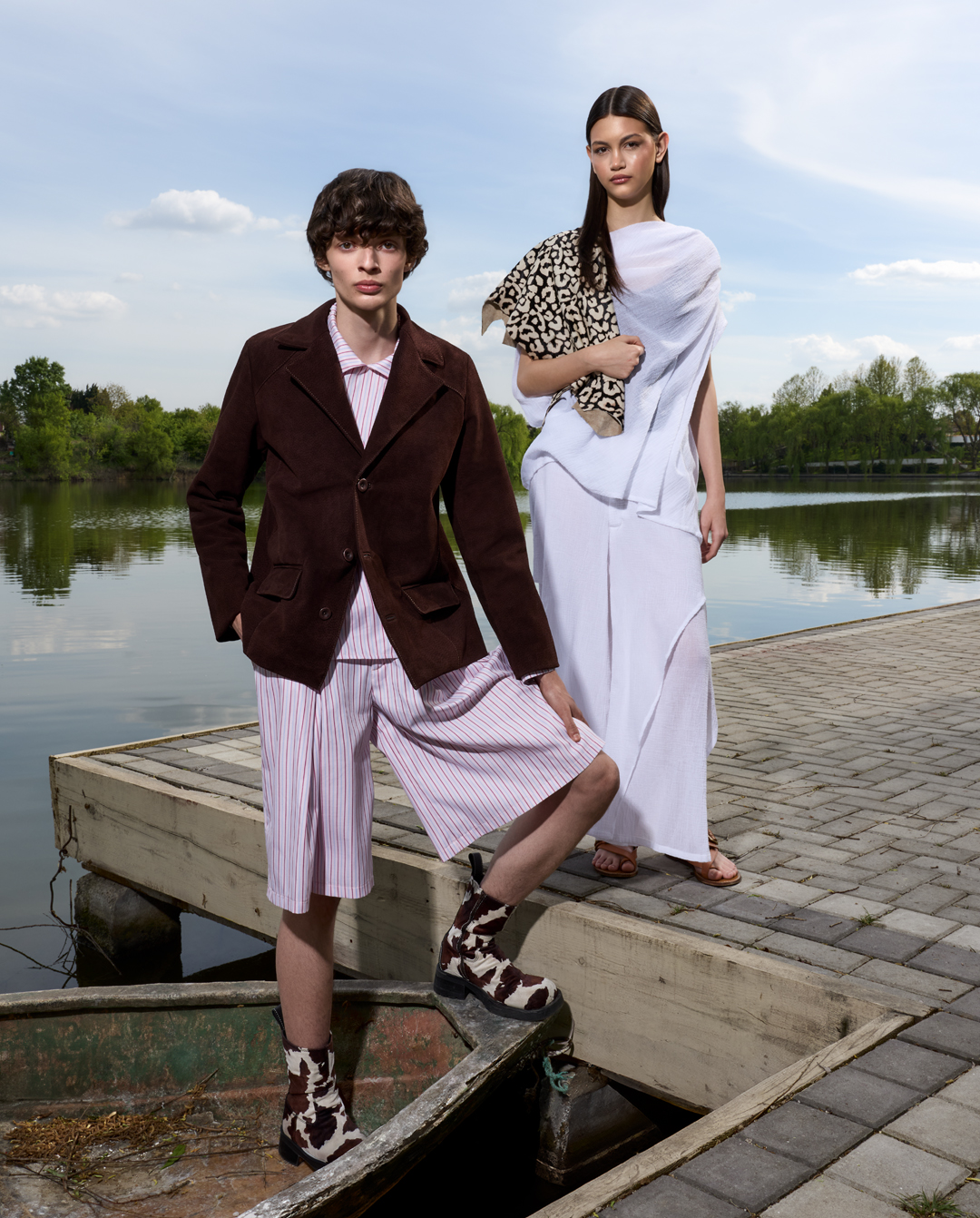
A few centimetres can change everything.
The length of a jacket, the width of a trouser, the position of a shoulder or the volume of a sleeve can completely alter the character of a garment.
This is particularly visible in pieces that initially appear simple.
When decoration is reduced, proportion becomes part of the design itself.
A jacket can feel precise without feeling restrictive. Trousers can introduce volume without overwhelming the body. A shirt can move between something structured and something deliberately relaxed.
These differences are subtle.
They are also often what makes a piece worth wearing repeatedly.
Clothes that work together
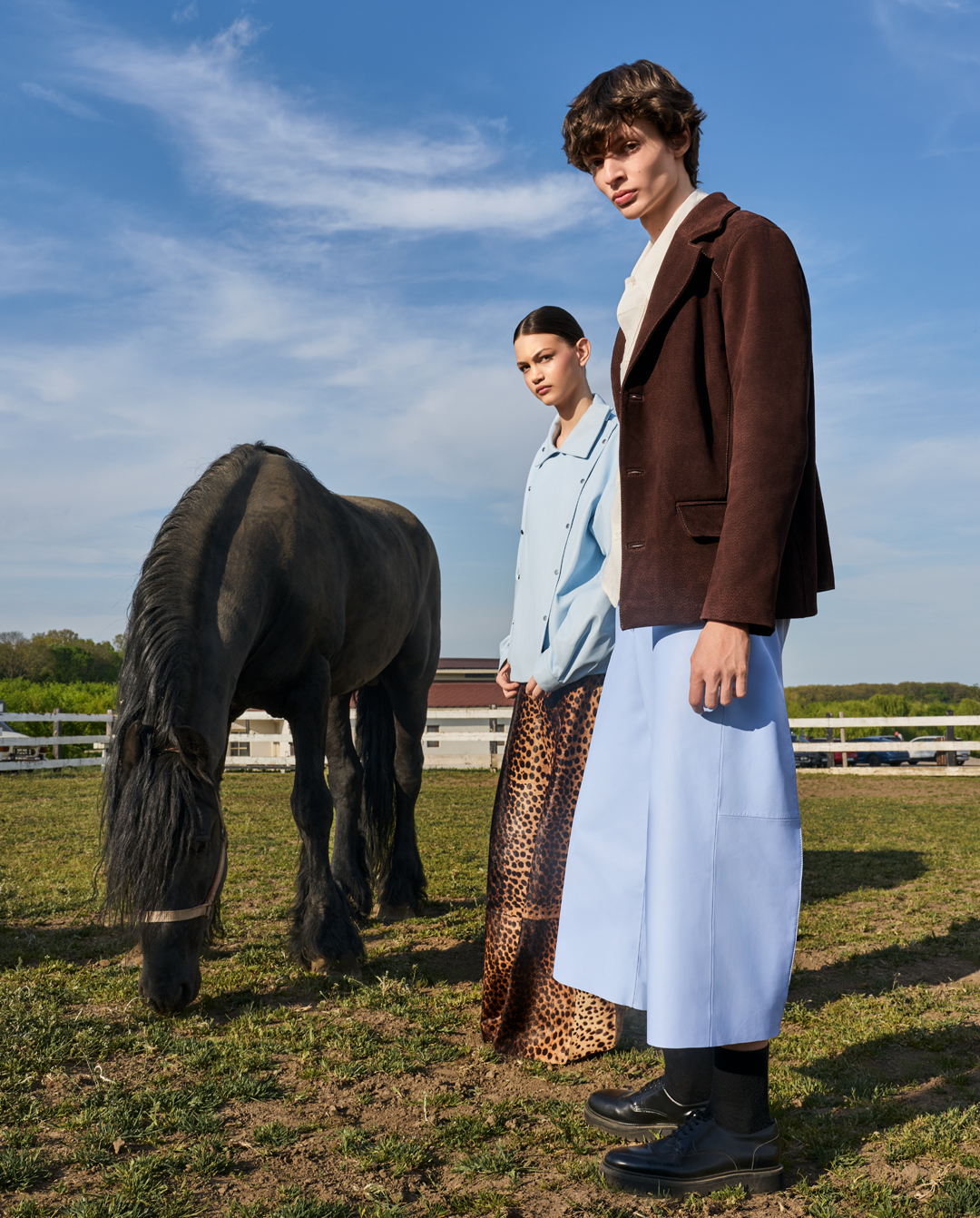
A collection becomes more useful when its pieces aren’t dependent on a single look.
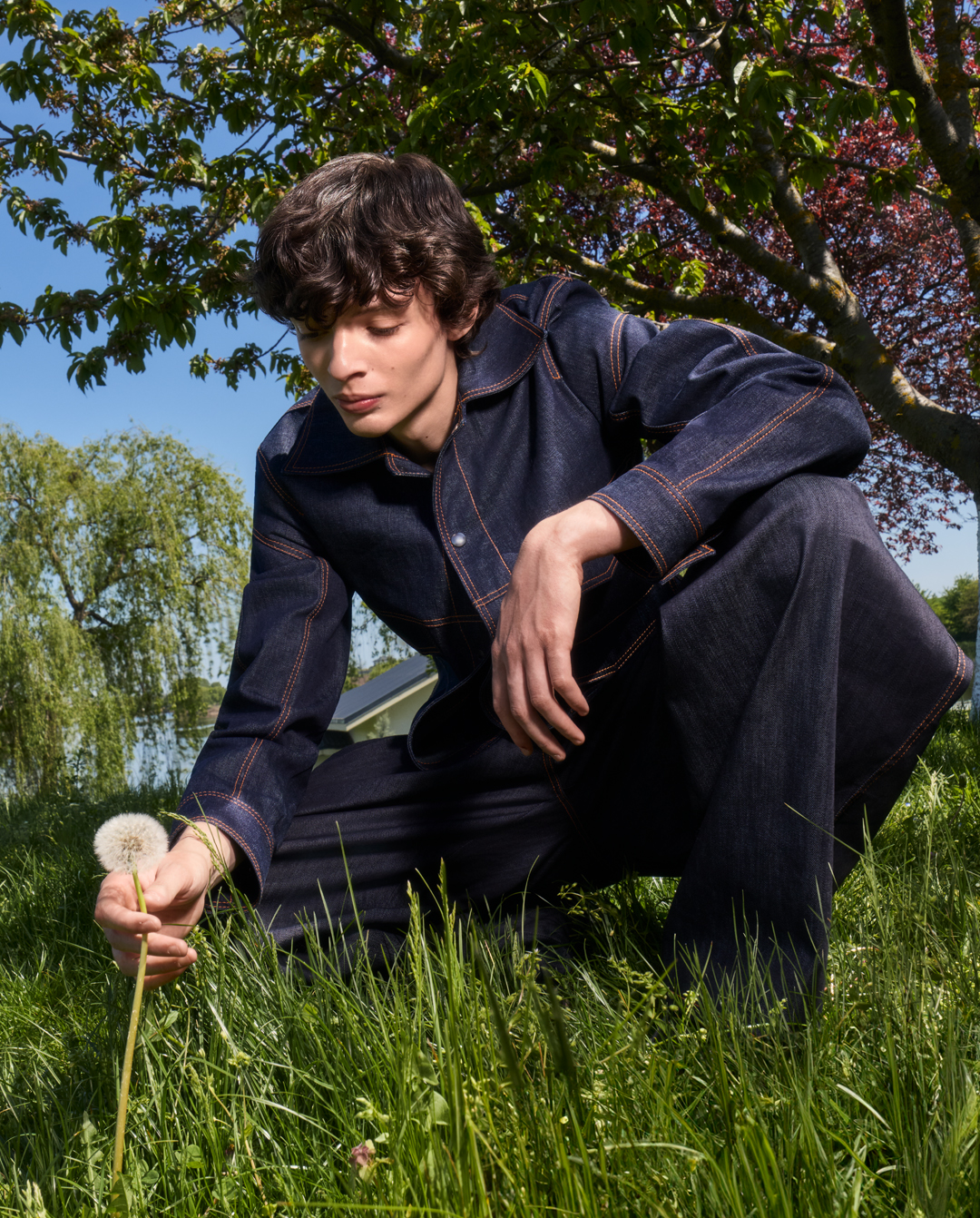
A jacket should work with tailored trousers, but also with denim.
A shirt should make sense underneath a coat and on its own.
Trousers should be able to move between a T-shirt, knitwear and more structured clothing.
This creates a wardrobe rather than a series of complete outfits.
Pieces begin to interact with clothes someone already owns, and combinations change depending on the person wearing them.
Beyond one season
Not everything needs to belong to a specific moment.
Some garments become more relevant precisely because they are difficult to date.
This doesn’t mean ignoring contemporary fashion. Silhouettes evolve. Proportions change. The way we combine clothes changes with them.
But there is a difference between responding to the present and being dependent on it.
DNA sits somewhere between the two.
Contemporary enough to feel current. Restrained enough to remain.
Wear changes clothes
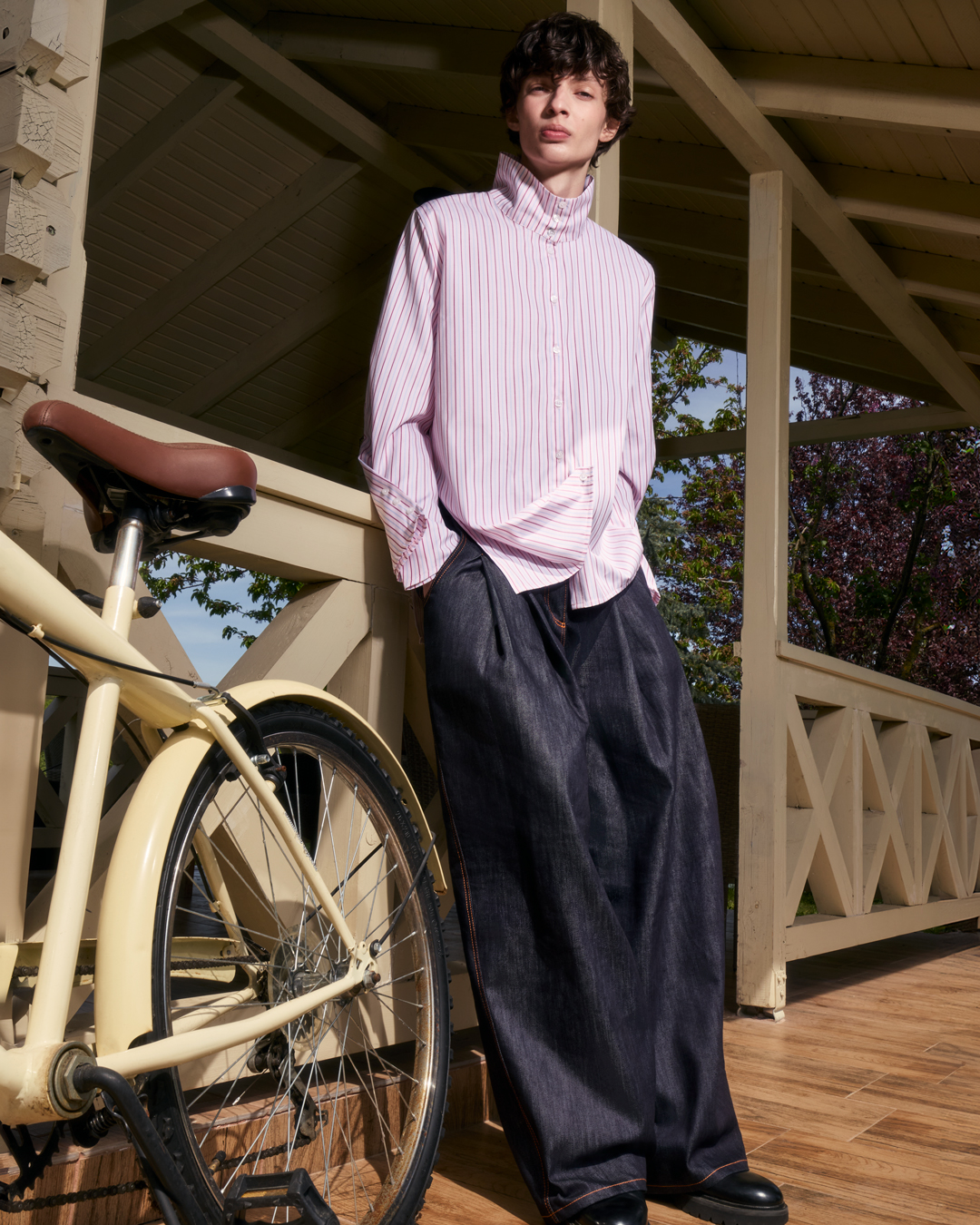
Clothes are rarely at their best when they are untouched.
Leather softens. Wool settles around the body. Cotton changes after repeated washing. Creases appear. Fabrics respond differently to movement.
Over time, the same garment begins to look different from the one that left the studio.
That process matters.
The person wearing a piece eventually becomes part of its design.
The Speed Paris DNA
DNA isn’t intended as a uniform.
It is a foundation.
A collection of pieces that can be worn repeatedly, combined differently and interpreted without a fixed formula.
Familiar garments, reconsidered through proportion, construction and detail.
Because sometimes the pieces that define a wardrobe aren’t the ones that attract the most attention.
They’re the ones you keep reaching for.